I joined Yale’s Computational Biomechanics Laboratory for the summer of 2025 where I conducted research under Professor Martin Pfaller. This field of study combines the use of computational power, continuum mechanics, and biology to further our understanding of cardiovascular health.
Pulmonary Hypertension Model
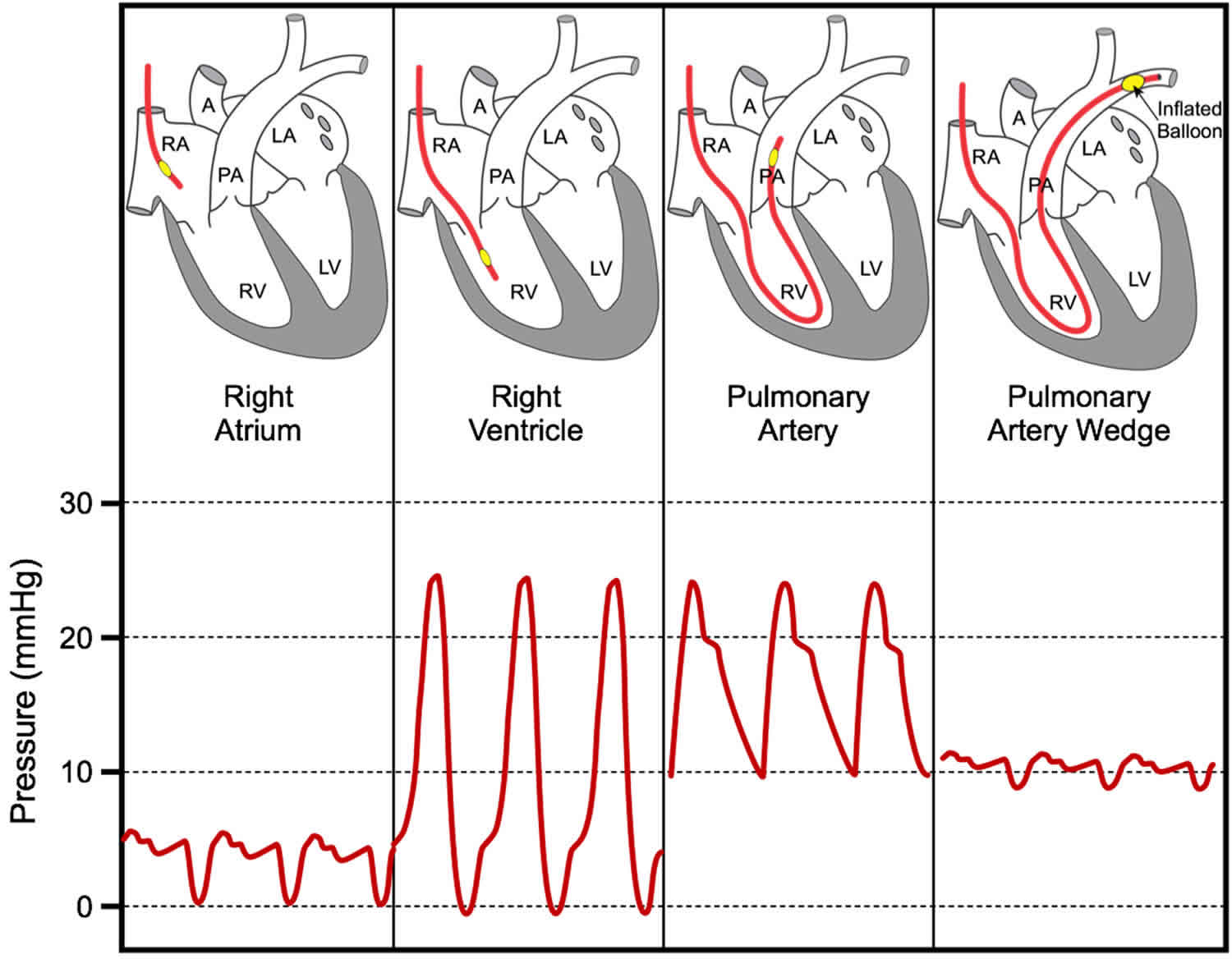
Pulmonary hypertension is typically diagnosed through invasive procedures, creating risk and discomfort for patients. Over the summer, I worked closely with an imaging team at Yale School of Medicine to develop a proof-of-concept computational model exploring non-invasive diagnosis using an existing patient dataset.
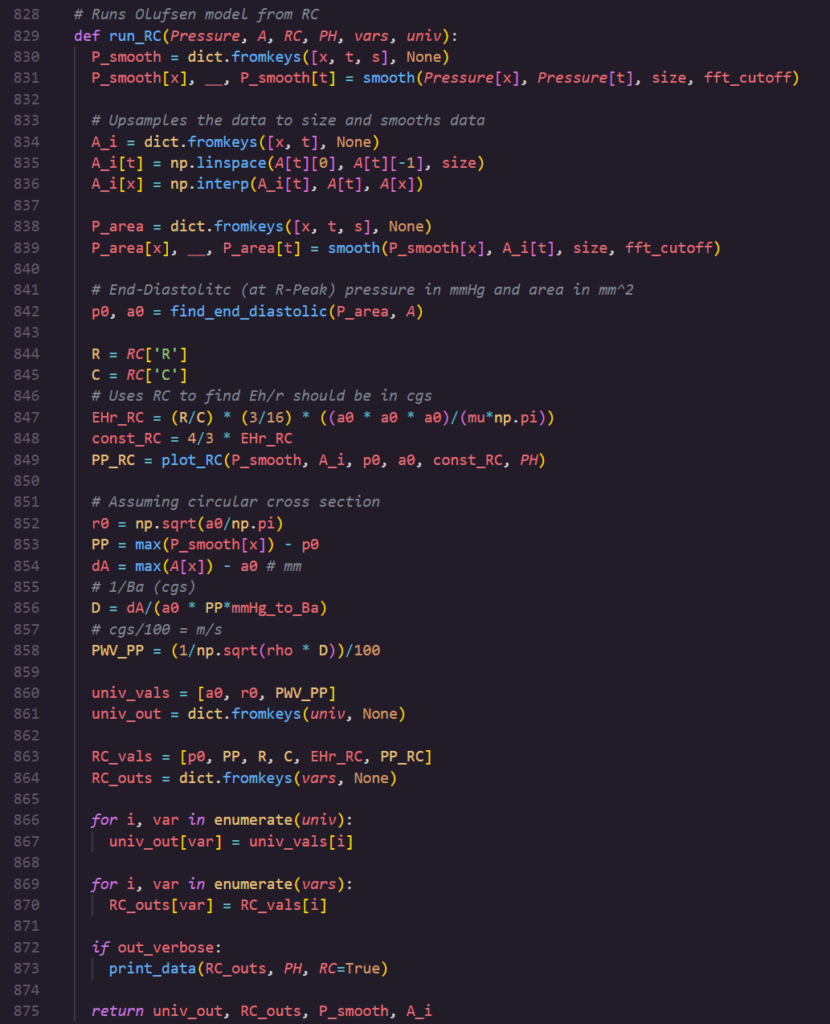
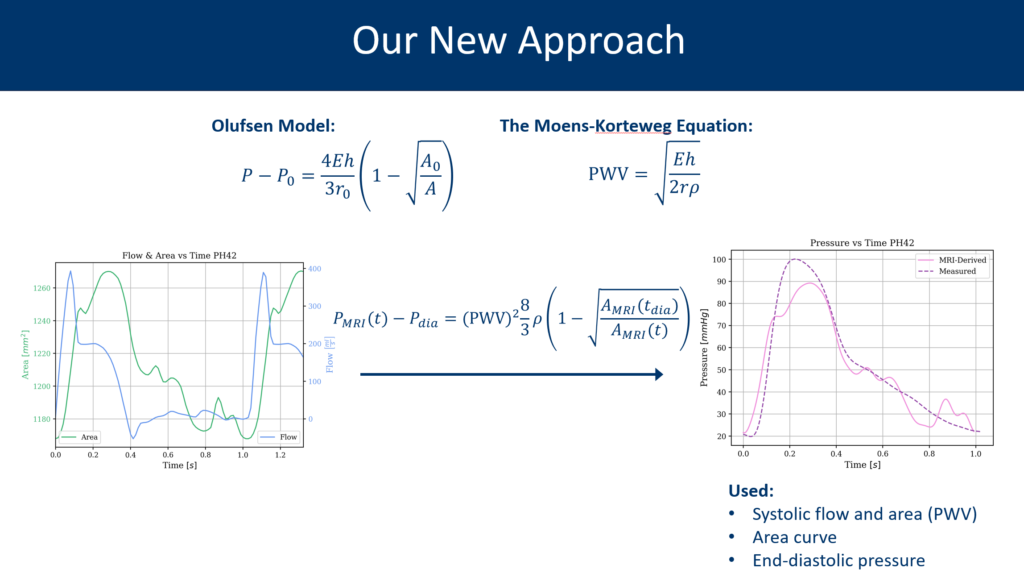
Working with SimVascular’s svZeroDSolver and its Python interface, I wrote scripts to de-noise patient data and extract estimates of key biomechanical parameters, including blood pressure and pulse wave velocity, from a reduced-order 0D model. I regularly communicated my findings to a mixed technical and clinical audience, translating complex biomechanical concepts for physicians unfamiliar with computational methods. Given the complexity of full 3D hemodynamic simulations, the reduced-order approach shows promise as a computationally efficient foundation for future clinical screening tools.